

Dr. Jaliman, known as one of the top dermatologists in the nation, is an expert in the field of cosmetic dermatology as well as medical dermatology. She is celebrated for the customized care she provides; patients will never get a "cookie cutter" approach, only the most cutting-edge advances in cosmetic dermatology.
Best Lip Filler in NYC
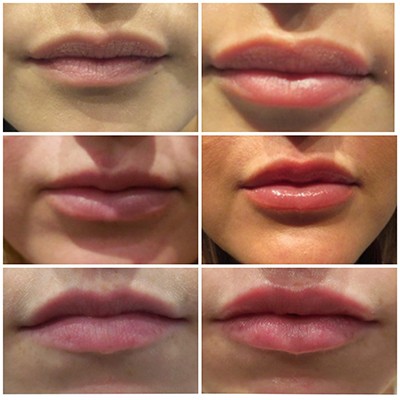
Natural lip filler injected by NYC dermatologist Debra Jaliman. Many of her patients say it is the best lip filler in NYC. It is totally customized so that it can be very subtle or a fuller lip. The technique used is a micro-droplet technique with small needles and precise injections of hyaluronic acid into the lip. We use Restylane Silk, Juvederm and Restylane Kysse. Call our office for a consultation or read more about Lip Fillers here.














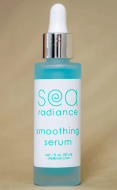
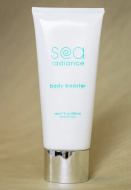
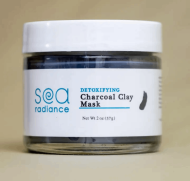
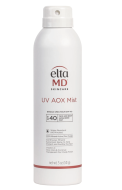
We welcome online orders for shipping Jaliman products within the United States (US). However, customers outside US would require placing a telephonic order at our office.
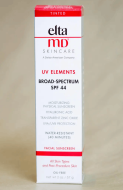
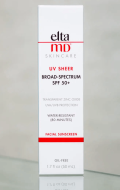
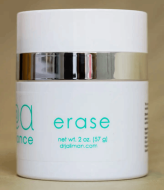
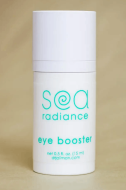
-
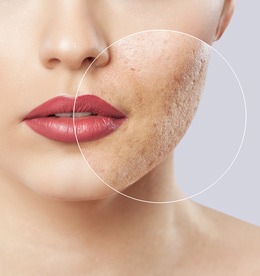
Those who consumed the lowest quantity of fruits, vegetables and fish were more prone to getting acne.
-
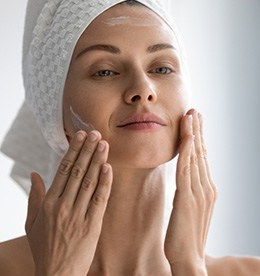
Wear sunscreen everyday day rain or shine. It’s an easy habit to get into, just like brushing your teeth
-
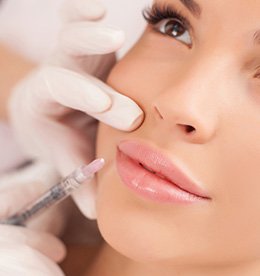
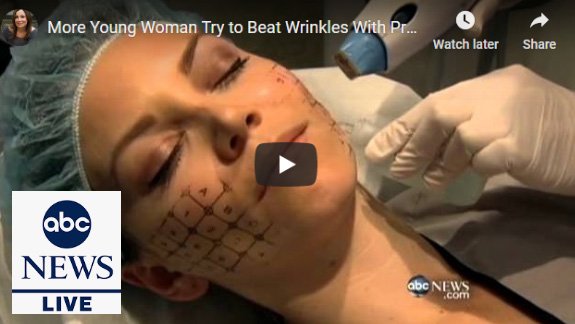
In the last few years, I started to notice that younger and younger people were asking me for Botox
-
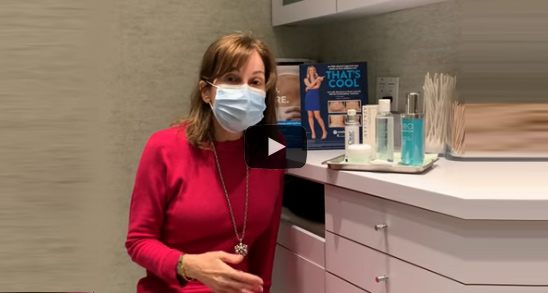 What is Mask Acne?
Dr. Jaliman talks about the causes of mask acne and
what you can do treat/prevent them. -
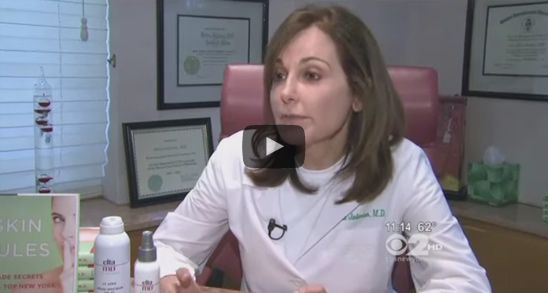 The Dangers of Sunscreen Sprays
Dr. Jaliman talks on New York CBS
on the proper use of sunscreen sprays.

Available in hardcover, paperback & ebook Order your copy on Amazon,Barnes & Noble and iBooks.
What does a cosmetic dermatologist do?
Dr. Jaliman, a cosmetic dermatologist makes the skin look better and the face & body look younger.
Does this include injections?
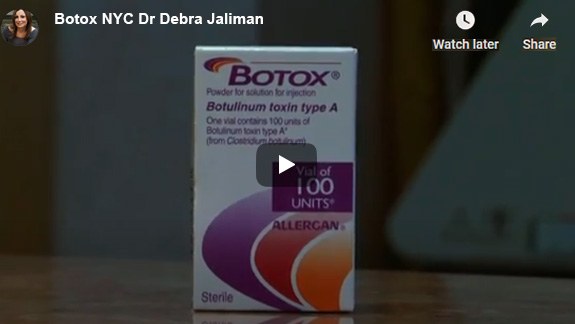
Dr. Jaliman uses Botox injections to relax muscles so that the overlying skin will become smoother and diminish wrinkles.
Does she use any Neurotoxins other than Botox?
Dr. Jaliman also uses Xeomin which is a purified product.
Does she perform any other injections?
Dr. Jaliman injects hyaluronic acid to fine lines and deep wrinkles. She also uses it to enhance cheek bones and to fill jowls to improve the contour of the jaw line.
Which types of fillers does she use?
Juvederm, Juvederm Plus, Restylane Lyft, Restylane Silk, Belotero, Voluma and Volbella. It gives the face a youthful lift. It can also be used around the jawline to strengthen or to improve jowls.
What other techniques are used?
Lasers can be used to even skin tone, get rid of broken blood vessels, soften acne scars or smooth skin texture.
What about noninvasive fat reduction?
Dr. Jaliman, a cosmetic dermatologist can help you with that as well. CoolSculpting can be performed to shrink fat cells with no scars and no downtime. Exilis and FlexSure can also be used to reduce fat and tighten skin.
Can a cosmetic dermatologist advise me on products?
Dr. Jaliman spent years studying the skin as well as ingredients. Dr. Jaliman will advise you and prepare an individualized skin care regimen. It will take into consideration your specific concerns as well as the sensitivity of your skin.
What can be used to get rid of Acne Scars?
Lasers such as Genesis, Fraxel, Revlite and Microdermabrasion can improve scars. Microneedling can also be used along with PRP (Platelet Rich Plasma) to help improve acne.
What about hand treatments?
We have the most advanced lasers, radio frequency treatments as well as fillers to restore hands to their once youthful appearance.
What about face tightening?
We have the newest radiofrequency skin tightening called TempSure Envi which has been safe, effective and requires no downtime. Thermage CPT and Exilis Ultra have both been very useful for skin tightening as well.
And body tightening?
FlexSure, the newest laser for body tightening uses radio frequency and Exilis Ultra uses radio frequency combined with ultra sound for skin tightening that takes a few treatments but works well for the body.
Sun damage on the face and body?
Clear and Brilliant Perméa is excellent for sun damage on the face, chest and neck.
The Limelight IPL helps to even out the skin color and fade sun damage on all body parts.
We also have the Revlite laser which is safe for all skin types including those with darker skin tones.
What are the new advances for CoolSculpting?
Exciting news - two new hand pieces for CoolSculpting.
There is a new applicator for CoolSculpting, it cuts the treatment time almost in half, instead of one hour the treatment is now 35 minutes. It is a big advance in technology because it works at a lower temperature. It has a unique applicator that increases patient comfort. There is also less swelling and less bruising. We also have a hand piece that helps remove fat under the chin.
There is also another new hand piece that lays flat against the skin that does not require any suction. This would be great for someone who is very thin and wants to remove a small layer of fat. In the past you needed an inch to pinch; now you can remove the smallest amount of fat using this new hand piece.